Calf augmentation is a procedure that aims to balance leg proportions by increasing the volume of the lower leg. A thin calf appearance may result from genetic structure, limited muscle development, or tissue loss after an illness or trauma.
Volume can be increased in two main ways:
Which method is suitable is determined at the examination according to the volume required, the existing tissue structure and the amount of fat in the person's donor area.
1. Examination. Leg structure, muscle and fat tissue, skin elasticity and, if present, asymmetry are assessed.
2. Planning. The method (implant or fat injection) and the intended volume are determined. If an implant will be used, the incision is generally concealed in the fold behind the knee.
3. Procedure. It is carried out according to the chosen method.
4. Follow-up. In the early period, keeping the legs elevated and increasing movement gradually are recommended.
Swelling, tightness and difficulty walking in the calves are expected findings in the first days. During this time it is recommended to avoid standing for long periods.
As with every surgical procedure, this one carries certain risks. Being aware of them is necessary for a sound decision:
This list does not cover all possibilities. Your personal risk profile, medical history and current health status are assessed in detail at the examination and shared with you as part of the consent process.
It varies according to the volume required, the tissue structure and the amount of fat in the person's donor area. The suitable method is determined together at the examination.
Difficulty walking in the early period is normal. Return to comfortable walking generally occurs gradually within a few weeks.
Return to strenuous exercise and running takes place on a schedule set by the physician according to the course of healing.
The volume provided with an implant is permanent. With fat injection, part of the transferred fat is absorbed; permanence varies from person to person.
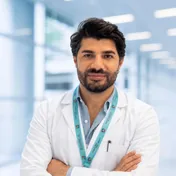
Specialist in Plastic, Reconstructive and Aesthetic Surgery. A graduate of Selçuk University Faculty of Medicine; he completed his specialty training at the University of Health Sciences, Afyonkarahisar Health Application and Research Center. He works at Antalya Yaşam Hastanesi (Şirinyalı, Muratpaşa / Antalya).